
Reworking and Innovating Karnataka’s Ground Water Strategy
In the state of Karnataka, groundwater serves as an important resource that helps meet the requirements of its vast range of sectors. This study by Forion Analytics provides a comprehensive take on the existing groundwater framework in the Indian state of Karnataka and offers suggestive policy interventions by evaluating regional water systems.

Overview
The Challenge:
States like Karnataka, reliant on hard-rock aquifers, face intensified drought cycles and increased borewell dependency, leading to high levels of groundwater extraction. The challenge is especially pronounced as water demand outpaces the region's natural recharge capacities. Average rainfall in Karnataka fluctuates significantly, with the bulk of it concentrated in the monsoon months. However, despite average annual rainfall levels of 500–800 millimetres, only a fraction - 60 to 90 millimetres - contributes to effective groundwater recharge, while extraction rates range from 100 to 180 millimetres annually. This disparity has led to critically low water tables and rising energy costs for pumping water from greater depths.
The hard-rock aquifers typical of Karnataka provide limited storage capacity and yield optimally only at shallow depths, primarily within the upper 10–20 metres. As extraction deepens beyond these zones, water yields decrease, while energy demands rise sharply, posing a significant cost burden to communities reliant on groundwater for agriculture and daily use. This poses a dual challenge of both water scarcity and high energy costs, especially as aquifers at greater depths often yield less water and are more costly to access.
The Objective
Regulatory Landscaping –
- To study the current policy framework of groundwater regulation both at the State and at the Union level and evaluate its effectiveness
- To identify the regulatory challenges or gaps in the existing framework
- To identify global and local best practices to regulate and manage groundwater resources
- To suggest suitable policy interventions to plug the existing regulatory gaps and increase the efficacy of the current legislative framework.
The study aims to achieve the following objectives in terms of Stakeholder mapping, best practices and Policy recommendations:
- To conduct stakeholder mapping of government stakeholders linked to Groundwater Management and understand their powers and governance structures
- To study the global approach to groundwater management and understand the best practices
- To study the regional best practices for groundwater management
- To identify the best practices relevant to Karnataka’s groundwater scenario and make tailored policy recommendations
Forion's Approach
Based on an in-depth analysis of regional and global practices and the specific context of Karnataka, this study makes the following recommendations for government action:
1. Strengthen the 3Fs—Funds, Functions, and Functionaries:
- Fill vacant positions and recruit additional staff to enhance administrative capacity.
- Increase financial resources through higher budgetary allocations, while ensuring transparency and accountability through social audits.
2. Enhance Monitoring Networks:
- Invest in automated devices for real-time/near real-time groundwater data collection.
- Expand the network of observational wells and engage communities in data collection and dissemination processes.
3. Implement Farmer Water Schools (FWS):
- Provide training on crop selection, aquifer health assessment, and sustainable water use, with cash incentives for trained volunteers.
4. Promote Rainwater Harvesting (RWH) and Artificial Recharge Structures:
- Incentivize RWH infrastructure in residential and commercial buildings.
- Establish a dedicated RWH wing within the Department of Minor Irrigation and Groundwater.
5. Foster Collaboration Between Stakeholders:
- Facilitate partnerships between the private sector, academia, and government agencies to develop innovative solutions for groundwater management.
6. Introduce Policy Reforms:
- Enforce ceiling limits on groundwater extraction.
- Develop equitable water-sharing plans and balance surface and groundwater resources
- Establish a structured water market to ensure sustainable resource allocation.
Gallery


Explore More Success Stories
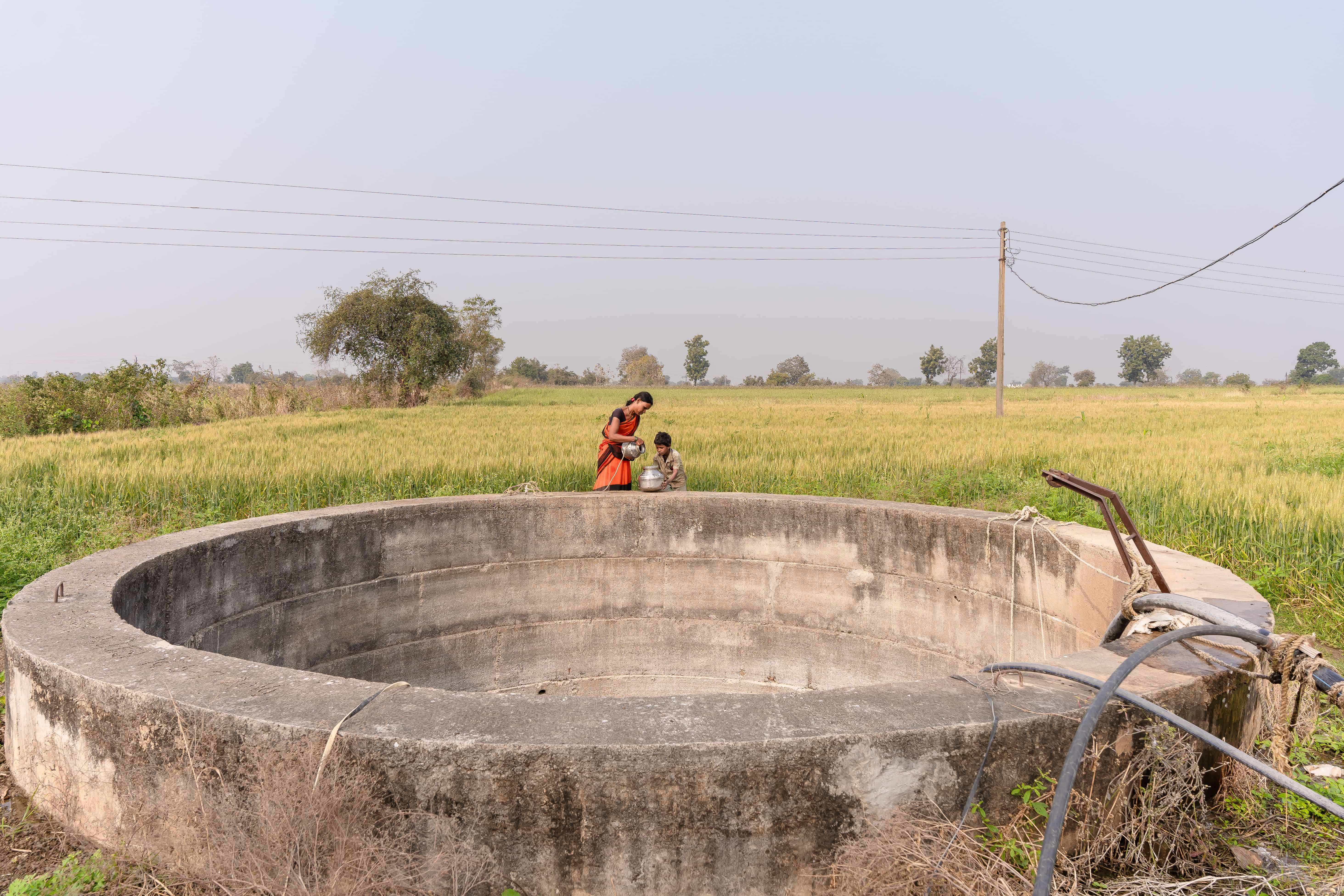
Water is Future: Building a Statewide Framework for Water Security
Water is Future demonstrates how evidence and policy priorities can be translated into a statewide framework for water security—bringing together community action, technology, institutional capacity and implementation planning to address Karnataka's groundwater challenges.
View Case Study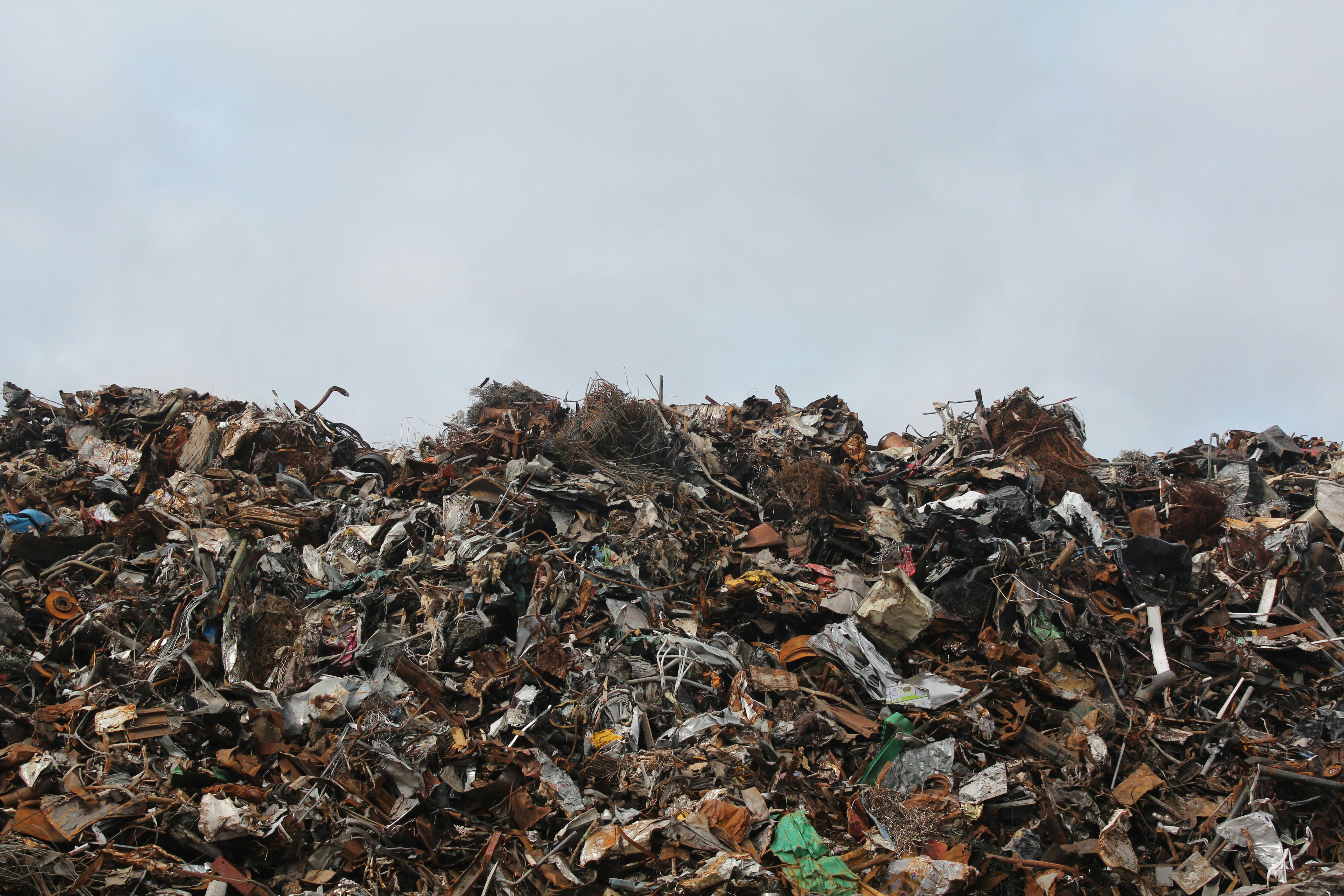
Transforming Sanitation and Waste Management in Raichur: A Critical Urban Intervention
Raichur district, located in the Kalyana Karnataka region, faces a convergence of urban poverty, poor infrastructure, and environmental vulnerability. Raichur district, located in the Kalyana Karnataka region, faces a convergence of urban poverty, poor infrastructure, and environmental vulnerability.
View Case Study
The Digital Odyssey of "Vartha Janapada" & "March of Karnataka"
The story of digitizing "Vartha Janapada" and "March of Karnataka" is a narrative of visionary leadership and the relentless pursuit of excellence. By transforming classic print media into a modern digital platform, Forion Analytics has paved the way for a future where government communication is not just about information dissemination, but about engaging and inspiring a connected community.
View Case Study