Transforming Sanitation and Waste Management in Raichur: A Critical Urban Intervention
Raichur district, located in the Kalyana Karnataka region, faces a convergence of urban poverty, poor infrastructure, and environmental vulnerability. Raichur district, located in the Kalyana Karnataka region, faces a convergence of urban poverty, poor infrastructure, and environmental vulnerability.

Overview
The Challenge:
Raichur district, located in the Kalyana Karnataka region, faces a convergence of urban poverty, poor infrastructure, and environmental vulnerability. Despite being geographically positioned in the fertile Raichur Doab, the district struggles with drought, poor sanitation, and inadequate waste management systems. The city’s literacy and health indicators fall significantly below state averages, and over half its population belongs to marginalized communities, many of whom reside in densely packed urban slums.
Recurring public health crises, such as mass hospitalizations and fatalities caused by contaminated water—have highlighted the systemic failure of sanitation and SWM infrastructure. With no source segregation, formal waste processing units, and severely understaffed municipal services, Raichur's existing capacity remains insufficient to address the scale and complexity of its sanitation challenges.
Forion Analytics’ Role:
Forion Analytics was engaged to design a comprehensive strategy for transforming sanitation and SWM facilities in Raichur, with a strong focus on technology infusion, capacity enhancement, and fund mobilization. The mandate involved identifying operational gaps, proposing scalable solutions, and creating a roadmap aligned with national schemes like SBM 2.0, 15th Finance Commission grants, and AMRUT.
Key areas of intervention included:
- Infrastructure Gap Mapping: Using diagnostic data, Forion identified critical shortfalls in human resources, vehicle fleets, and facility coverage. This enabled precise recommendations for filling systemic voids.
- Technology Integration: Proposals for GIS-based tracking, GPS-enabled vehicle routing, and biometric attendance systems were developed to modernize waste collection and improve accountability.
- Policy and Funding Architecture: Forion mapped existing schemes and structured funding pathways to leverage central and state grants. Proposals were designed to unlock tied funds under SBM 2.0 and 15th FC for composting plants, bio-methanation units, landfill remediation, and fecal sludge treatment infrastructure.
- Behavioral Change Framework: An IEC model was conceptualized to drive community-led waste segregation through multilingual campaigns, school programs, and incentive-based compliance.
- Institutional Strengthening: A clear hiring roadmap was created to fill vacancies in sanitation staff and engineering positions. Training modules were outlined for SWM staff, officers, and informal waste workers.
- Regulatory and Compliance Framework Setup: Recommendations built around SWM Rules 2016, Karnataka State Policy 2020, and municipal by-laws, aimed at enforcing 100% segregation, decentralized composting, and polluter-pays implementation.
- Outcome Monitoring and Impact Metrics: A results-based logical framework using the OECD/DAC approach to track relevance, effectiveness, efficiency, sustainability, and impact over a 5-year horizon.
Impact Framework: OECD/DAC-Based Results Assessment:
| Criterion | Assessment Focus |
| Relevance | Alignment of interventions with the needs of vulnerable populations in slums and SC/ST zones |
| Effectiveness | Deployment of processing facilities (MRFs, composting) and a measurable improvement in collection rates |
| Efficiency | Optimal use of SBM 2.0 and 15th FC funds through integrated project proposals and convergence models |
| Impact | Reduction in disease outbreaks, improved school sanitation, increased livelihood opportunities for waste workers |
| Sustainability | Institutional capacity building, formalization of the informal sector, and citizen behavioural change mechanisms |
Explore More Success Stories
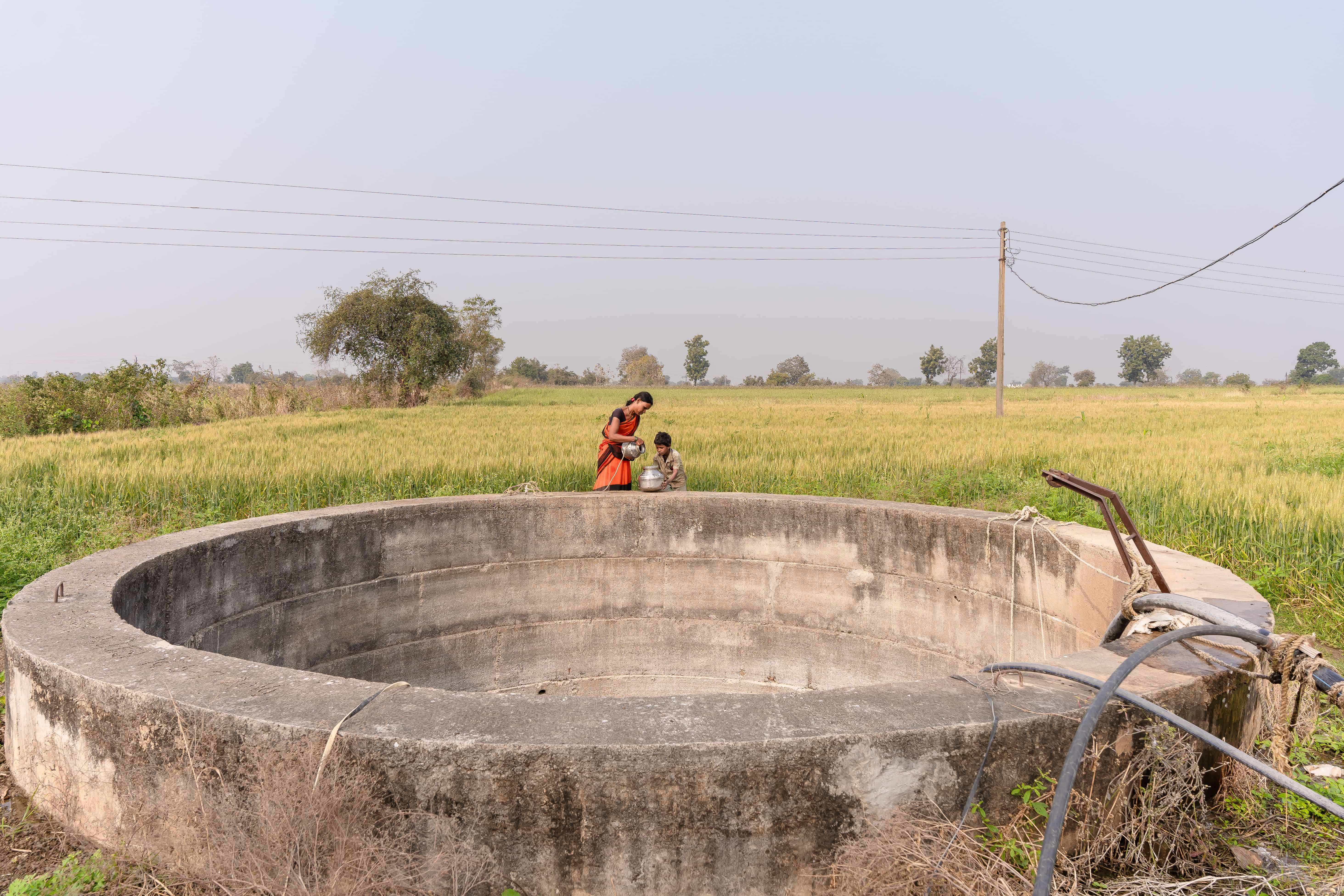
Water is Future: Building a Statewide Framework for Water Security
Water is Future demonstrates how evidence and policy priorities can be translated into a statewide framework for water security—bringing together community action, technology, institutional capacity and implementation planning to address Karnataka's groundwater challenges.
View Case Study
Reworking and Innovating Karnataka’s Ground Water Strategy
In the state of Karnataka, groundwater serves as an important resource that helps meet the requirements of its vast range of sectors. This study by Forion Analytics provides a comprehensive take on the existing groundwater framework in the Indian state of Karnataka and offers suggestive policy interventions by evaluating regional water systems.
View Case Study
The Digital Odyssey of "Vartha Janapada" & "March of Karnataka"
The story of digitizing "Vartha Janapada" and "March of Karnataka" is a narrative of visionary leadership and the relentless pursuit of excellence. By transforming classic print media into a modern digital platform, Forion Analytics has paved the way for a future where government communication is not just about information dissemination, but about engaging and inspiring a connected community.
View Case Study